The vibrant hues of coral reefs are fading globally, and scientists point to various stressors, including chemical pollution from sunscreens. This environmental concern has catalyzed a significant shift within the fashion and swimwear industry, giving rise to “coral-safe” or “reef-friendly” certifications for swimwear. This goes beyond just the sunscreen we apply on our skin; it addresses the very fabrics we wear into the ocean. The new frontier is testing for chemical leaching from swimsuit materials, a critical process ensuring that a beautiful red lace bikini or a sophisticated bespoke strapless swimsuit doesn’t inadvertently harm marine life. For swimwear wholesale vendors and swimwear distributors, this is no longer a niche trend but a growing market demand driven by eco-conscious consumers. Whether sourcing a playful tassel bikini or a practical tankini, the question of environmental impact is paramount.
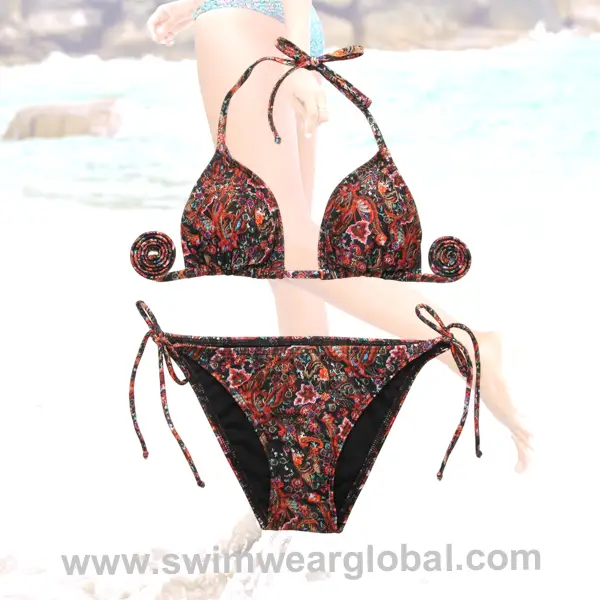
The core issue lies in certain UV-blocking chemicals and fabric treatments. Traditional swimwear, from competitive swimwear to fashion-forward lace swimsuits, might be treated with chemicals for color fastness, chlorine resistance, or even integrated sun protection. Over time, especially in warm seawater, these chemicals can leach out of the fabric. The certification process, therefore, involves rigorous laboratory tests that simulate prolonged seawater exposure to measure the leaching rates of specific harmful compounds like oxybenzone and octinoxate. A double-strap triangle bikini top in soft pink must pass the same stringent criteria as a custom one piece swimsuit. Leading wholesale bikinis suppliers are now partnering with labs to certify their entire line of women’s swimwear, ensuring that every piece, from a fringe swimsuit to a bandeau swimwear style, meets the standard.
This scientific focus profoundly influences design and material sourcing. The vibrant green zebra swimsuit pattern is no longer just about aesthetics; it hinges on using dyes and green zebra fabric that are stable and non-leaching. Similarly, the construction of a double bikini or a color block triangle bikini must consider not just fit and style but the chemical profile of every component, including threads, elastics, and linings. For manufacturers and swimwear distributors, this means moving towards mineral-based UV protectants (like titanium dioxide or zinc oxide) embedded in fibers and selecting inert, high-quality dyes. When you explore our stunning collection of bikinis, one-pieces, and swimsuits from a certified brand, you are seeing the result of this meticulous R&D. It proves that an affordable collection of men’s and women’s swimsuits can align with ecological responsibility.
The impact on the supply chain is substantial. Swimwear wholesale vendors are increasingly required by retailers to provide proof of certification. This transparency builds consumer trust. A tassel swimwear piece becomes more attractive not just for its bohemian flair but for its verified eco-credentials. The industry is moving towards a holistic view where the entire product lifecycle is considered, pushing wholesale bikinis suppliers to innovate. The goal is clear: to offer swimsuits and beach dresses that allow consumers to enjoy the sun and sea without guilt, knowing that their choice supports the preservation of the underwater ecosystems they admire.
Ultimately, coral-friendly sunscreen certification for swimwear fabrics represents a powerful convergence of fashion, science, and environmental stewardship. It challenges the industry to rethink material science for the line of women’s swimwear and beyond. From the drawing board of a custom one piece swimswuit designer to the inventory of global swimwear distributors, the mandate is to create beautiful, functional swimwear that leaves only footprints in the sand and no harmful traces in the water. This commitment ensures that the oceans remain as vibrant and full of life as the designs we choose to wear, safeguarding the planet’s reefs for generations to come.