In an era where climate consciousness is reshaping consumer choices, the fashion industry faces intense scrutiny. The swimwear sector, in particular, embodies a poignant paradox: garments designed for enjoying nature are often produced through processes that harm it. In response, a new wave of brands is emerging, championing “carbon offset” swimwear. Their promise is compelling: for every double-strap triangle bikini top in soft pink or bespoke strapless swimsuit sold, a brand pledges to plant a certain number of trees to neutralize the carbon emissions from its production. But for the discerning shopper browsing an Explore our stunning collection of bikinis, one-pieces, and swimsuits, a critical question arises: what is the actual math behind this green promise? How many trees truly equal the footprint of a swimsuit?
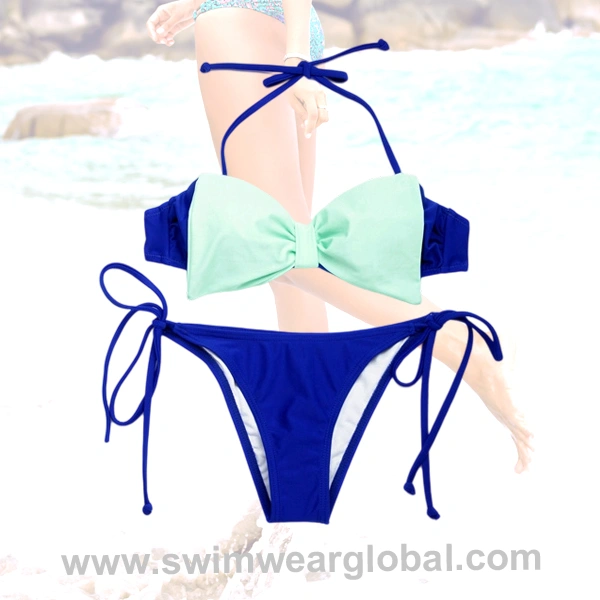
The journey to answer this begins with understanding a garment’s carbon footprint. For a swimwear item—be it a vibrant green zebra swimsuit or a classic lace swimsuit—emissions accumulate across several stages:
- Material Production: This is often the most significant contributor. Fabrics like virgin nylon and polyester are energy-intensive, derived from fossil fuels. Forward-thinking brands use recycled alternatives (e.g., ECONYL® from fishing nets) or natural fibers, which dramatically lower this initial impact. The choice of material, down to a specific green zebra fabric roll, sets the baseline.
- Manufacturing: This includes cutting, sewing, and dyeing. Energy sources at the factory (coal vs. solar) and dyeing techniques (water-heavy conventional vs. digital) play huge roles. Ethical swimwear wholesale vendors and swimwear distributors increasingly partner with factories that have verifiable energy audits.
- Packaging & Distribution: From polybags to shipping boxes, and the final freight journey from manufacturer to wholesale bikinis suppliers or directly to the consumer’s doorstep via air or sea mail. Bulk shipping to swimwear distributors is more efficient than single-unit direct-to-consumer air freight.
- End-of-Life: While less frequently calculated, the footprint includes the garment’s disposal—whether it degrades in a landfill or is recycled.
So, how is this footprint translated into trees? The conversion is not standardized, but is based on scientific estimates. One mature tree can absorb approximately 22 kilograms of CO2 over one year. However, absorption rates vary wildly by tree species, location, and project longevity. Reputable carbon offset programs don’t just count saplings; they fund verified reforestation or forest protection projects where the lifetime carbon sequestration is calculated.
Let’s deconstruct a hypothetical claim: “We plant 5 trees for every swimsuit.” If a brand’s total cradle-to-customer carbon footprint for a custom one piece swimsuit is calculated to be 50 kg CO2e (a reasonable ballpark), and they partner with a project where each funded tree is verified to sequester 10 kg over its lifetime, then the 5-tree pledge would neutralize 50 kg. The math appears to square. The problem lies in transparency: does the brand publicly share its footprint calculation methodology and the certification of its forestry partner?
This is where EEAT—Experience, Expertise, Authoritativeness, and Trustworthiness—becomes crucial for brands making these claims. A trustworthy brand does more than attach a tree-planting tag to a fringe swimsuit or a tassel bikini. It demonstrates:
· Expertise in Calculation: They use lifecycle assessment (LCA) tools or third-party auditors to measure emissions, rather than using generic industry averages.
· Authoritative Partnerships: They offset through certified standards like Gold Standard or Verra, ensuring projects are real, additional (wouldn’t have happened otherwise), and permanent. They don’t use vague, self-run planting initiatives.
· Transparency (Trust): They publish their carbon reports and offset certificates, often with a unique ID for customers to track. Their “line of women’s swimwear” page might detail the kg CO2 offset per style.
For retailers and swimwear distributors, this shift impacts sourcing. Curating a conscious catalog means vetting not just the style—be it a sophisticated red lace bikini or a playful color block triangle bikini—but also the brand’s environmental credentials. The most credible brands focus on radical reduction first: minimizing emissions at source by using recycled materials, local production, and plastic-free packaging. Offsetting is then used for the unavoidable residual emissions—a true “net-zero” pathway, not a license for polluting.
The market now offers diverse options that pair style with substance. Whether you seek a trendy tassel swimwear piece, a practical tankini, or a sleek bandeau swimwear design, leading eco-brands prove sustainability doesn’t sacrifice aesthetics. This commitment spans From top-of-the-line competitive swimwear to an affordable collection of men’s and women’s swimsuits, making responsible choices accessible.
For the conscious consumer, navigating this landscape requires a shift from passive acceptance to active inquiry. Before adding a beautiful double bikini to your cart, look beyond the tree-planting headline. Investigate the brand’s material choices (recycled content?), manufacturing ethics, and offsetting partners. Support brands that provide clear, verifiable data, proving that their commitment to the planet is as durable and well-constructed as their swimsuits and beach dresses.
In conclusion, the “tree-for-a-suit” model is a powerful entry point for climate action in fashion. However, its credibility hinges entirely on rigorous, transparent science and ethical partnerships. The true mark of a leader in sustainable swimwear is not merely the number of trees pledged, but a holistic, transparent strategy that prioritizes drastic emission cuts at every stage—from sourcing that green zebra fabric to choosing swimwear wholesale vendors with green logistics. By demanding this transparency, we empower a future where every dip in the ocean is clothed in genuinely clean, conscious style.