The vibrant world of swimwear, from a daring tassel bikini to an elegant custom one piece swimsuit, faces a pressing environmental paradox. Each season, swimwear wholesale vendors and swimwear distributors introduce stunning new lines, yet millions of old garments end up in landfills, their synthetic fibers persisting for centuries. This cycle is being challenged by a groundbreaking scientific advance: chemical depolymerization regeneration technology. This innovation promises to transform the industry, turning discarded swimsuits into the foundation for tomorrow’s fashion.
For decades, swimwear recycling was a formidable challenge. The very qualities that make swimwear durable—tight knits and fibers like nylon and polyester blended with elastane—make mechanical recycling difficult, often downgrading the material. However, the new chemical process, distinct from traditional methods, breaks down these complex fabrics at the molecular level. It selectively depolymerizes the materials, separating and purifying the core polymers from zippers, dyes, and other contaminants. The output is a regenerated raw material virtually identical in quality to virgin polymer, ready to be re-spun into high-performance yarn.
This technological leap is a game-changer for the entire supply chain. Swimwear distributors and wholesale bikinis suppliers are now presented with a credible path to circularity. Imagine a future where a returned red lace bikini or a worn-out tankini is not waste but a resource. This regenerated feedstock can be used to create a new green zebra swimsuit or a sophisticated bespoke strapless swimsuit, closing the loop. It provides a tangible solution for brands looking to offer an affordable collection of men’s and women’s swimsuits without compromising the planet.
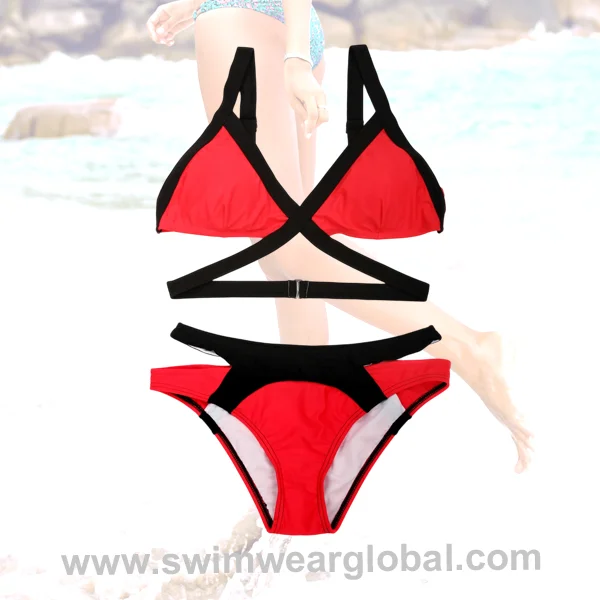
The implications for design and sourcing are profound. Swimwear wholesale vendors can now develop collections with a compelling sustainable story. A double-strap triangle bikini top in soft pink or a chic bandeau swimwear piece can be marketed not just for its style but for its origin story—crafted from regenerated materials. This technology also empowers custom one piece swimsuit creators to offer eco-conscious luxury. Furthermore, it revitalizes material libraries; a unique green zebra fabric or other prints can be conceived using this regenerated base, reducing reliance on virgin petroleum-based materials.
The impact extends across all styles. Whether it’s a playful fringe swimsuit, a classic lace swimsuit, or a trendy color block triangle bikini, designers no longer have to choose between aesthetics and sustainability. The high-quality regenerated fibers are suitable for from top-of-the-line competitive swimwear requiring exacting performance standards to fashionable swimsuits and beach dresses for casual wear. This breakthrough supports the creation of a complete and versatile line of women’s swimwear, including diverse women bikinis and one-pieces, all underpinned by circular principles.
For consumers, this means the joy of purchasing a beautiful new swimsuit can be guilt-free. When they explore our stunning collection of bikinis, one-pieces, and swimsuits, they can choose pieces that actively participate in reducing waste. Brands can establish take-back programs, encouraging customers to return old swimwear—be it a double bikini or a simple tank—to be regenerated, thus fostering brand loyalty and environmental stewardship.
The journey from a discarded garment to a new one is the essence of modern innovation. Chemical depolymerization is more than a recycling method; it’s a regeneration of value and a redefinition of responsibility. It allows the industry to move beyond the linear “take-make-dispose” model. As this technology scales, facilitated by forward-thinking swimwear wholesale vendors and embraced by swimwear distributors, it will reshape how we view our swimwear. Every tassel swimwear or practical tankini will carry the potential for renewal, making the dream of a truly sustainable beach wardrobe an attainable reality.