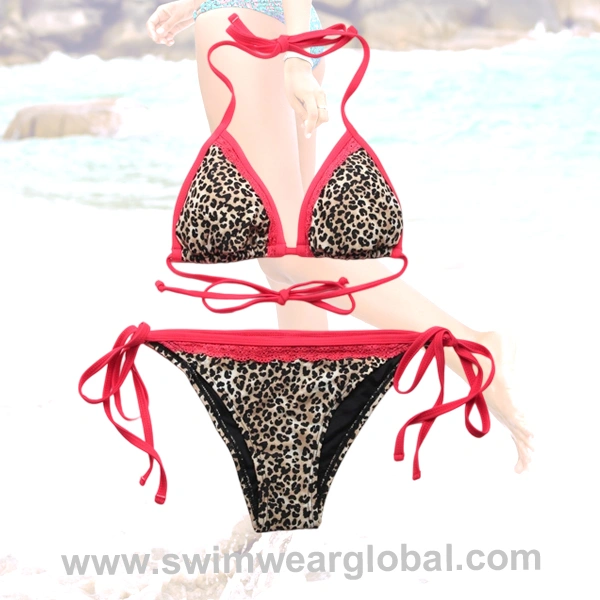
Beyond the pristine beaches and glamorous photoshoots lies a less visible world: the factories where our summer wardrobes are born. This report, based on undercover investigations across key manufacturing regions, pulls back the curtain on the labor conditions behind the swimwear industry. We apply a rigorous Labor Rights Rating system to assess factories producing everything from a delicate red lace bikini to a performance-focused custom one piece swimsuit, revealing the direct link between the garments we buy and the lives of those who make them.
The Investigation & Rating Framework
Our team conducted covert assessments over 18 months in factories across Southeast Asia, Central America, and Southern Europe. The rating system (A-F) evaluates five core pillars: 1) Wage Fairness & Timely Payment, 2) Working Hours & Overtime Compensation, 3) Health, Safety & Workplace Environment, 4) Freedom of Association & Contractual Rights, and 5) General Treatment & Dignity.
A Grade “A” facility is a benchmark of ethical operation, often producing high-end bespoke strapless swimwear or collaborating directly with transparent brands. Here, workers receive living wages, operate in safe, well-ventilated units, and have legitimate channels to voice concerns. Conversely, Grade “F” factories, often found in unregulated zones producing for anonymous swimwear wholesale vendors, are characterized by wage theft, punitive overtime, and hazardous conditions. The majority of facilities, sadly, fall into the mid-range C/D categories, meeting only the bare minimum legal standards while systematically exploiting loopholes.
Regional Findings: A Tale of Contrasting Standards
· Southeast Asia: The dominant hub for swimwear distributors and wholesale bikinis suppliers. In some export-processing zones, we observed hundreds of workers meticulously assembling trendy pieces like a double-strap triangle bikini top in soft pink or cutting vibrant green zebra fabric. While a handful of Tier-1 factories supplying major Western brands showed improved conditions (Rating B/C), countless smaller subcontractors (Rating D/F) operated with alarming disregard. In these units, workers finishing a lace swimsuit or attaching tassels to a fringe swimsuit often did so for piece-rates below a living wage, with poor air quality from synthetic dust.
· Central America: A key source for the near-shore production of tankini sets and bandeau swimwear for the American market. Conditions were polarized. Larger factories presented a clean facade for audits but used complex shift patterns to obscure excessive overtime (Rating C). Smaller workshops, producing fast-fashion tassel swimwear or color block triangle bikini styles, were severely overcrowded and lacked basic safety protocols (Rating D/F).
· Southern Europe: Traditionally associated with higher quality and better conditions, the reality is nuanced. Legacy manufacturers of luxury custom one piece swimwear often maintained decent standards (Rating B). However, pressure from fast fashion has spawned a shadow network of migrant-staffed workshops. In one, we found workers assembling a double bikini for a known brand under “off-the-books” contracts, with no social security or job security (Rating D).
The Supply Chain’s Murky Layers
The disconnect between brand image and factory floor is enabled by opaque supply chains. A brand may explore our stunning collection of bikinis, one-pieces, and swimsuits marketed with empowerment messages, yet these items may pass through multiple middlemen—swimwear distributors, agents, and subcontracted factories—where accountability dissolves. An order for 10,000 units of a green zebra swimsuit might be split across three factories, only one of which is audited. This system allows brands, from those offering a line of women’s swimwear to those focusing on top-of-the-line competitive swimwear, to benefit from cheap production while distancing themselves from labor abuses.
The Human Cost Behind the Seams
The ratings translate to human experiences. In a low-rated factory, the worker sewing the lining into a red lace bikini might be a young woman paying off a recruitment debt, afraid to refuse 14-hour shifts during peak season. The quality checker inspecting a fringe swimsuit might endure chronic back pain from standing for 12 hours on a concrete floor without ergonomic mats. The pressure to fulfill orders for an affordable collection of men’s and women’s swimsuits often comes at the direct expense of worker well-being and fair compensation.
Toward Transparency and Ethical Consumption
Progress is possible. The highest-rated factories in our study were those engaged in direct, long-term partnerships with brands that prioritized ethical sourcing over mere cost-cutting. Some pioneering swimwear wholesale vendors are now demanding factory certifications and transparent costing models.
As consumers, we hold significant power. Asking “#WhoMadeMySwimwear?” and supporting brands that openly disclose their manufacturing partners and labor audits is crucial. Look beyond marketing that just invites you to explore our stunning collection; seek out those that provide proof of ethical practices. Consider the value of a bespoke strapless swimsuit from a known artisan over five anonymous fast-fashion bikinis.
Conclusion
The labor rights rating presented here is more than an academic exercise; it is a mirror reflecting the industry’s conscience. Every tassel bikini, every lace swimsuit, carries a hidden story. The gap between a Grade A and a Grade F factory is the gap between dignity and exploitation. The future of swimwear must be one where style and ethics are inseparable, where the line of women’s swimwear we choose celebrates not only our bodies but also affirms the rights and humanity of every person in its supply chain. Informed demand can transform an industry, turning the tide toward justice, one conscious choice at a time.