As the world shifts towards sustainable energy solutions, innovation is weaving its way into the most unexpected facets of our lives, including our beachwear. The concept of a solar-powered bikini, once a mere sci-fi fantasy, is now edging toward reality thanks to breakthroughs in photovoltaic (PV) fiber technology. This article moves beyond the novelty to investigate a crucial question: what is the real-world power generation efficiency of these integrated PV fibers, and what tangible future do they hold? Beyond a stunning runway piece, this technology could redefine functional apparel and unlock new economic avenues for the swimwear industry. Imagine augmenting your favorite pieces from an affordable collection of men’s and women’s swimsuits with the ability to harness the sun’s power.
The Core Technology: Photovoltaic Fiber Efficiency Unveiled
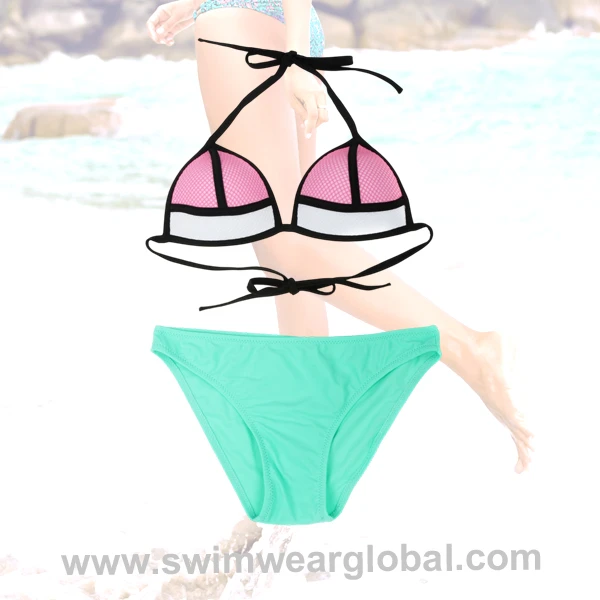
The solar bikini’s heart lies in its PV fibers—flexible, thread-like solar cells woven directly into the fabric. Unlike rigid traditional panels, these fibers must balance efficiency with comfort, durability, and washability. Recent lab-to-field tests reveal promising yet challenging results. Early prototypes demonstrated that a standard two-piece bikini top, with a sufficient surface area of integrated PV fiber, could generate between 5 to 10 watts of power under ideal noon sunlight. This energy output is sufficient to charge a small device, such as a fitness tracker or a smartphone, over several hours of sun exposure.
However, “real-world” efficiency is the true benchmark. Factors like the angle of sunlight, water immersion, salt corrosion, and fabric stretching significantly impact performance. Advanced PV fibers now boast water-resistant coatings and maintain over 80% of their efficiency even when damp—a critical feature for swimsuits and beach dresses. The true test lies in durability after repeated use, chlorine or saltwater exposure, and washing. Manufacturers are rigorously testing these parameters to ensure that future commercial products, whether in a line of women’s swimwear or top-of-the-line competitive swimwear, are both reliable and practical for the end-user.
Future Applications: Beyond the Beach Towel
The future application of solar bikinis extends far beyond a quirky charging trick. The primary use case is as a personal, wearable power source for the connected individual on the go. It offers freedom for beachgoers, hikers, or travelers in remote locations. For instance, a day at the shore could simultaneously power a music player, a small fan for a beach tent, or keep essential communication devices charged.
On a broader scale, this technology signifies a leap towards energy-harvesting smart textiles. The same PV fiber principles can be integrated into other garments, bags, and outdoor gear, creating a distributed, mobile micro-grid. For emergency and disaster preparedness, clothing with built-in power generation could be lifesaving. Furthermore, integrating these fibers into performance-oriented women bikinis or athletic wear could provide continuous, off-grid power for biometric sensors, enhancing the data-tracking capabilities for athletes and health enthusiasts alike.
Economic Value and Industry Transformation
The economic potential of successful solar swimwear is substantial. Initially positioned as a premium, innovative product, it can command a higher price point, attracting eco-conscious consumers and tech early adopters. This opens a new, high-margin segment within the swimwear market. Brands that successfully integrate this technology can differentiate themselves, moving beyond fashion to offer genuine utility. A brand’s stunning collection of bikinis, one-pieces, and swimsuits could feature a dedicated “Powered” line, merging sustainability with cutting-edge function.
The long-term value lies in scaling the PV fiber technology. As production costs decrease through R&D and mass adoption, it could become a standard feature in various apparel lines, driving down the cost of wearable solar technology overall. This would create a new supply chain, from fiber manufacturers to tech-integrated apparel factories. The swimwear industry, encompassing everything from affordable collections to luxury resort wear, could be the pioneering force that brings practical, wearable solar energy to the mainstream consumer market, setting a precedent for the entire fashion and outdoor industries.
Conclusion
The solar bikini is more than a garment; it’s a testbed for the future of wearable technology. While current PV fiber efficiency is practical for low-power applications, ongoing advancements promise greater output and resilience. Its future purpose as a personal power hub and its significant economic value as an industry innovator are clear. As this technology matures, the day may soon come when picking a bikini from your favorite line of women’s swimwear is also a choice about how you harness renewable energy, seamlessly blending style, sustainability, and smart functionality under the sun.