When you slip on a new bikini—be it a vibrant green zebra swimsuit or an elegant red lace bikini—your thoughts are likely on the fit, the style, and the upcoming sunshine. Yet, long before this garment reached you, it embarked on a resource-intensive journey, consuming hundreds of liters of water. This hidden cost is its “water footprint,” a critical metric for a sustainable future. For swimwear wholesale vendors, swimwear distributors, and conscious brands, understanding this footprint is becoming as important as the design itself. Let’s trace the water trail of a typical bikini, from field to fashion.
Stage 1: The Thirsty Fields – Raw Material Extraction
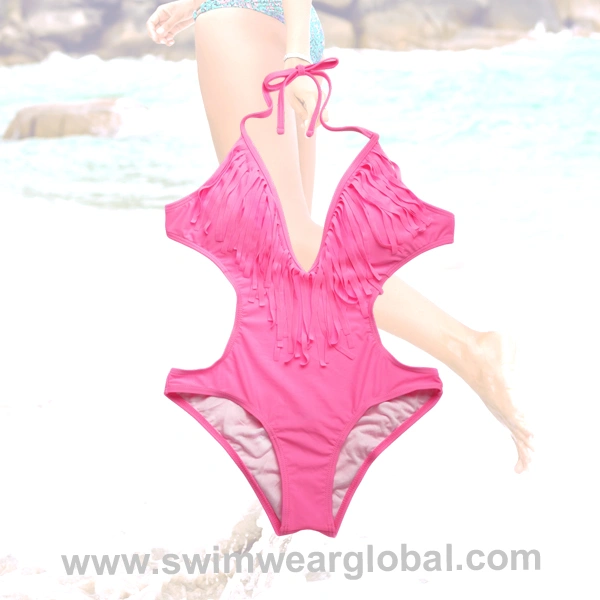
The journey begins not in a factory,but in agricultural fields and oil wells. A classic double bikini or a chic bandeau swimwear piece is primarily made from synthetic fabrics like polyester or nylon, derived from petroleum. The extraction and refining of fossil fuels are water-intensive processes. However, natural fibers also carry a significant burden. The cotton that might line a tassel bikini or be blended into fabrics is notoriously thirsty. It can take over 10,000 liters of water to produce just one kilogram of conventional cotton. Even a small amount used for comfort lining adds to the tally.
For a unique green zebra fabric or a color block triangle bikini, dyeing and treatment are the next major water guzzlers. The textile industry is one of the largest industrial polluters of clean water globally, using vast amounts in dye baths and rinsing processes to achieve those perfect hues, from soft pink to bold zebra stripes.
Stage 2: Design & Production – Where Efficiency Can Make a Wave
This is where the choices of brands and theirwholesale bikinis suppliers significantly impact the water footprint. The shift toward a bespoke strapless swimsuit or a custom one piece swimsuit on-demand, as opposed to mass overproduction, is a crucial water-saving strategy. Less waste means less embedded water in unsold inventory.
Furthermore, innovative production technologies are key. Closed-loop water systems in dye houses recycle and treat water for reuse, drastically cutting consumption. Concentrated dye formulas require less water. Brands committed to sustainability are increasingly partnering with swimwear distributors who prioritize factories with these certifications. Whether producing a delicate lace swimsuit or a playful fringe swimsuit, the manufacturing protocol is paramount. The choice of material also plays a role here; high-quality recycled polyester, often used in performance and fashion lines alike, significantly reduces the water footprint compared to virgin polyester, as it bypasses the initial oil extraction phase.
Stage 3: The Consumer Phase – Care is Key
Once a bikini—adouble-strap triangle bikini top in soft pink or a practical tankini—is in a consumer’s hands, the water responsibility shifts. Approximately 25% of a garment’s total carbon and water footprint comes from how it is laundered. Washing a swimsuit in cold water, air-drying it, and avoiding frequent washes (especially for chlorine-resistant suits) dramatically reduces its lifetime water impact. This is a powerful message for brands to communicate on care labels, empowering buyers to extend their positive impact.
Industry Implications & The Path Forward
For the global swimwear industry,from swimwear wholesale vendors to retailers, water footprint calculation is moving from a niche concern to a core business metric. Transparency is becoming a competitive advantage. Brands that can trace and disclose the water impact of their line of women’s swimwear build greater trust.
The future lies in innovation: developing even less thirsty dyes, scaling water-free dyeing technologies like digital printing, and increasing the use of recycled and alternative materials. An affordable collection of men’s and women’s swimsuits can and should be an eco-conscious one. The goal is not to stop enjoying fashion, but to make informed choices that support a healthier planet.
Conclusion: Making Informed Waves
The next time youexplore our stunning collection of bikinis, one-pieces, and swimsuits, look beyond the style. Consider the journey. From top-of-the-line competitive swimwear to everyday swimsuits and beach dresses, every piece tells a water story. By supporting brands that invest in sustainable practices, transparent supply chains, and educate consumers, we can all help ensure that the beauty of our oceans and beaches is preserved—not depleted by the very items we wear to enjoy them. Choosing a suit from a brand that values water stewardship is a powerful step toward a more sustainable tide in fashion.